
Subscribe to continue reading
Subscribe to get access to the rest of this post and other subscriber-only content.
Subscribe to get access to the rest of this post and other subscriber-only content.
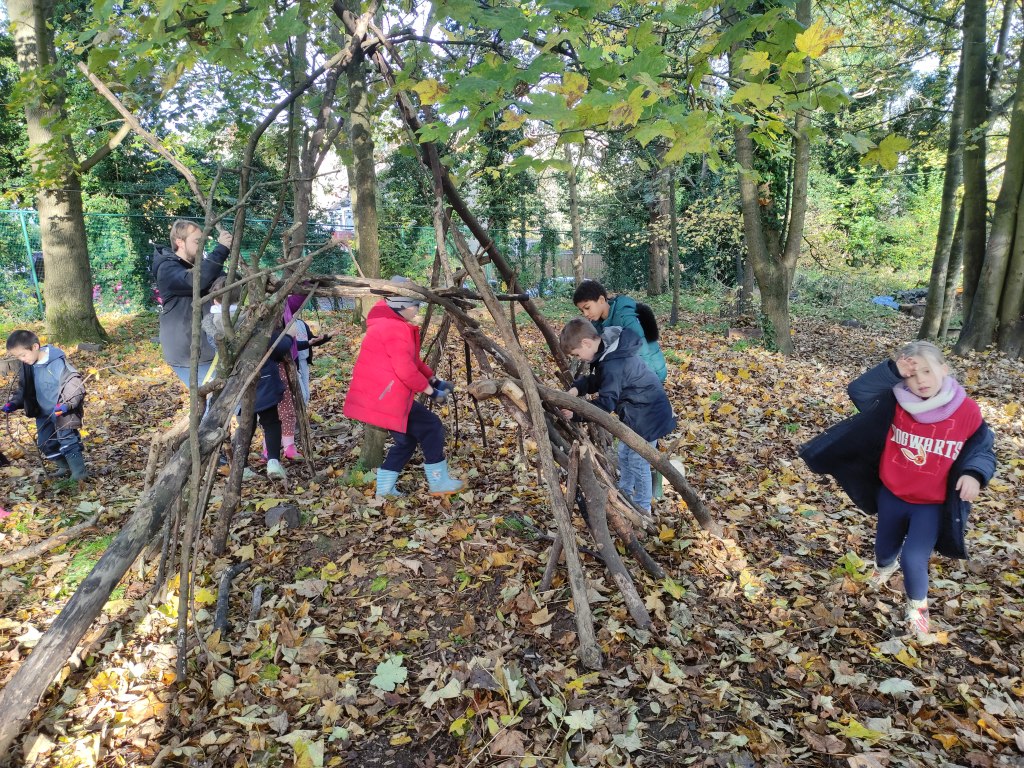
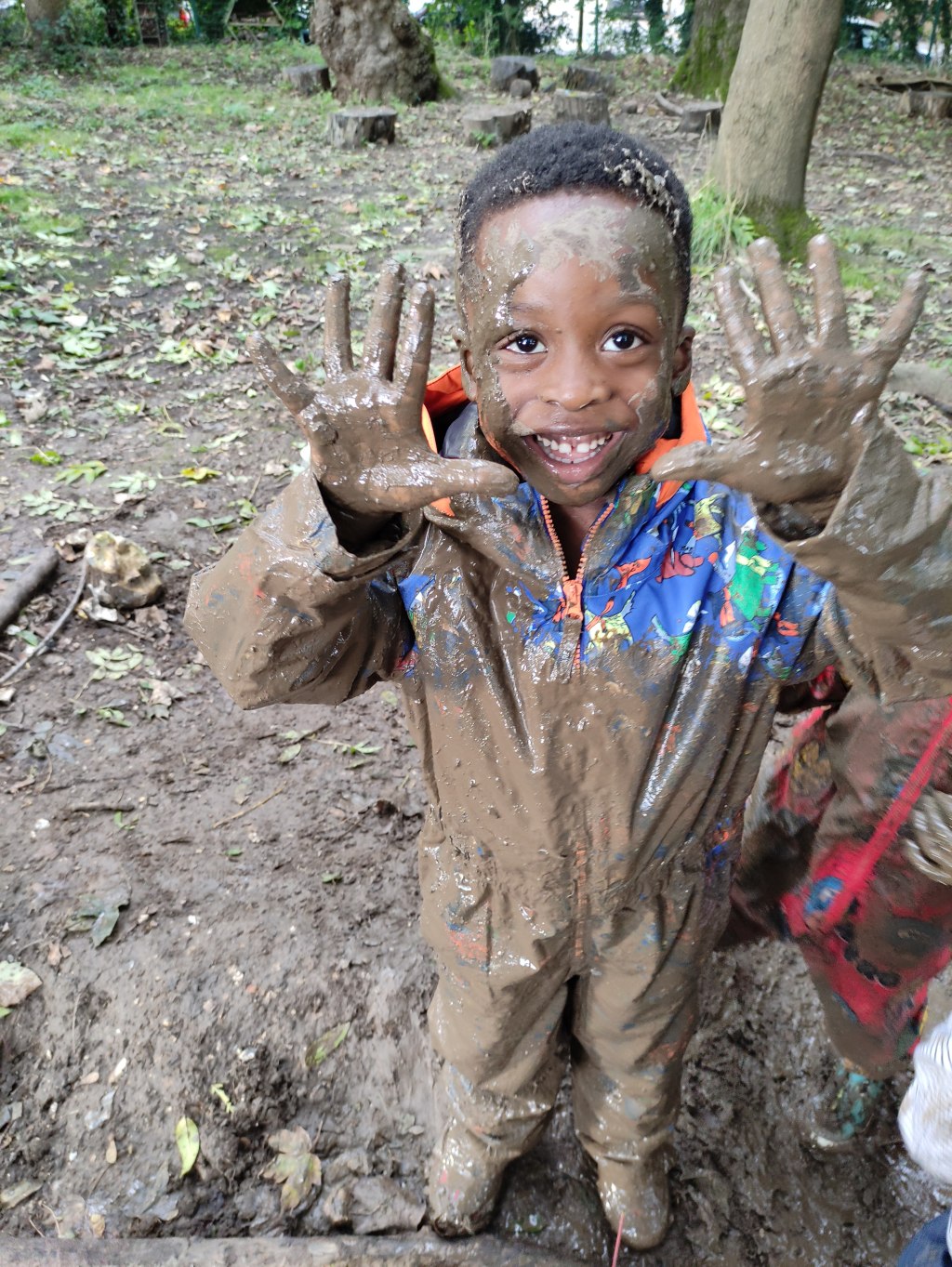
But it’s just playing outdoors – climbing trees, playing in puddles, collecting things – right? Wrong. Yes, that is a fun part of Forest School, but there is so much more to it than that. The first Forest School popped up in Denmark in the early 1950’s but didn’t arrive to the UK until 1993 and it’s been growing in popularity ever since. So what are the benefits of Forest School?
Giving children the freedom to direct their own learning takes away the pressure to ‘get it right’. Whether its building up to climbing a tree, working with tools or getting that spark to light the fire, children begin to trust themselves and their abilities. Confidence, resilience and independence grows naturally as a result.
Numerous studies have shown that spending time and reconnecting with nature has a calming effect on the brain. Being outdoors and away from screens reduces stress and anxiety and can encourage mindfulness.
Teamwork happens naturally in Forest School. For example, children will work together and problem solve to move a big log, or dig a deep hole. They learn to share tools, help each other out, and solve challenges together. This in turn develops communication and cooperation skills in a hands-on, meaningful way.
Sensory rich environments can be particularly beneficial for children with neurodiversty/special education needs (SEN). Being outside in a calm and nurturing setting can help support emotional regulation. Having the autonomy to explore, move and engage on their terms can help improve coordination and communication
